
Nature · 3 min read · 29 May 2026
The woodland on Vlieland: from drifting sand to walking paths
The woodland on Vlieland was largely planted to stabilise drifting sand. At the Oude Kooi and in Bomenland, that history is still visible.
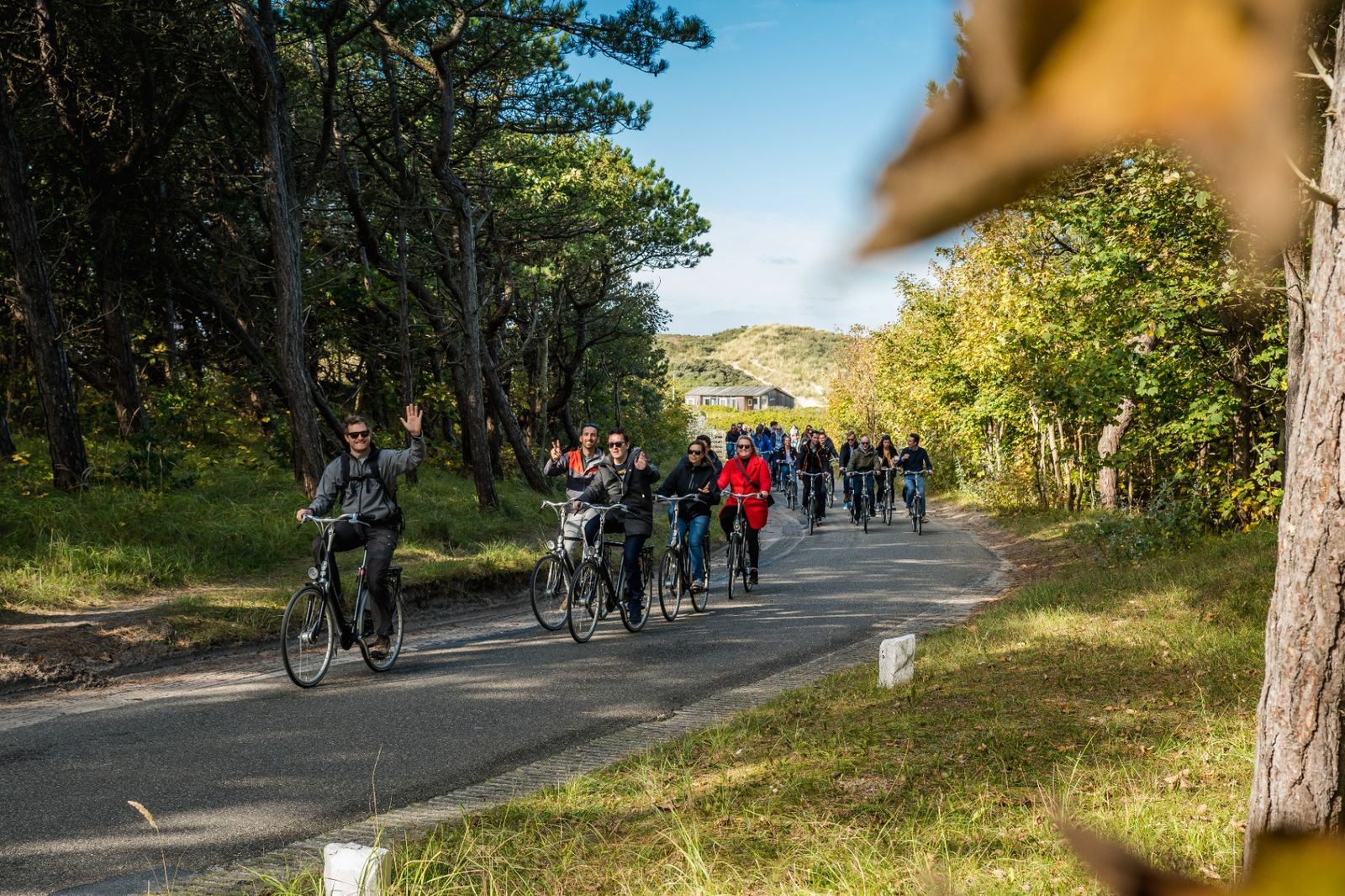
Woodland between dune and mudflat
From the village, the Postweg runs past several woodland complexes. At Bomenland, the road leads through the forest. The VVV notes around 280 hectares of woodland on Vlieland.
First securing the sand
Oost-Vlieland was threatened by drifting sand. Around 1870, Rijkswaterstaat began planting marram grass to counter sand drift. The planting of the first larger woods began in 1903, on the advice of Staatsbosbeheer.
An older patch of woodland lies near the Oude Kooi. This was planted in 1898 alongside the duck decoy. A catching pipe has been restored, showing how the decoy worked.
Bomenland
Bomenland was planted between 1903 and 1906 with pines and spruces. In the woods, older conifers are gradually making way for deciduous trees. The VVV describes a 3.5-kilometre walking route there, marked with yellow bands.
Walking and cycling
Staatsbosbeheer provides information on routes and access to nature. Cycle paths are accessible for wheelchair users, but they can be narrow and the island is hilly. During the breeding season, local access rules apply.
The woodland is not an unchanged landscape. It was created partly to protect the island against drifting sand, and continues to change through growth and management.
De onderwerpen van dit verhaal komen uit het archief van vlieland-info.nl, dat H.P. de Nijs ruim twintig jaar heeft bijgehouden. Zijn fotoarchief van Vlieland is te zien op Flickr.
Bronnen
vlieland.net, vlieland.net, staatsbosbeheer.nl.
Laatst bijgewerkt: 13 oktober 2026
Read more
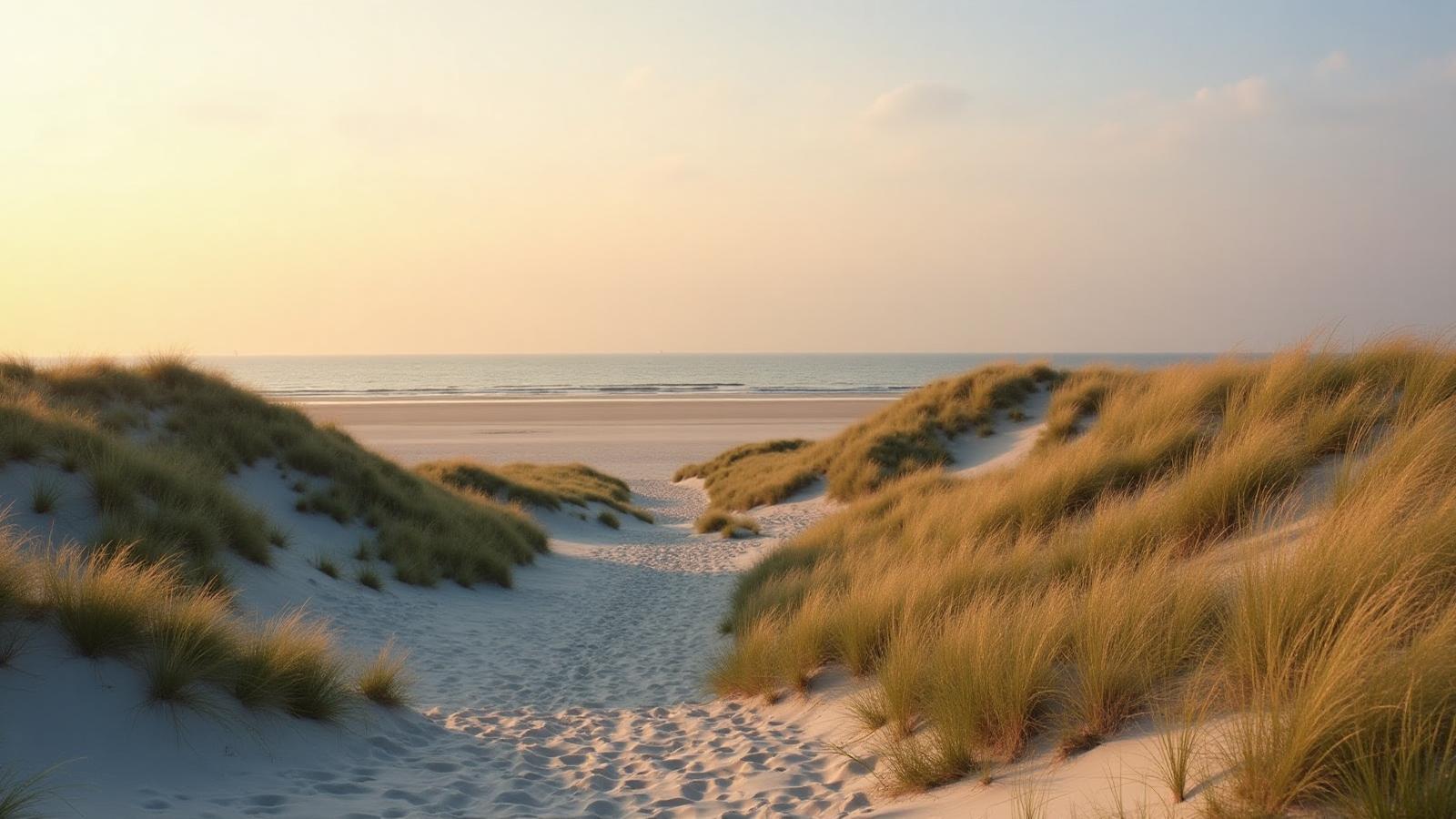
Nature · 2 min read
Walking across the Vliehors: the Sahara of the North
A sand plain of over 2,100 hectares on the western tip of Vlieland. About the landscape, the lost village, and the possibilities for taking a trip there.
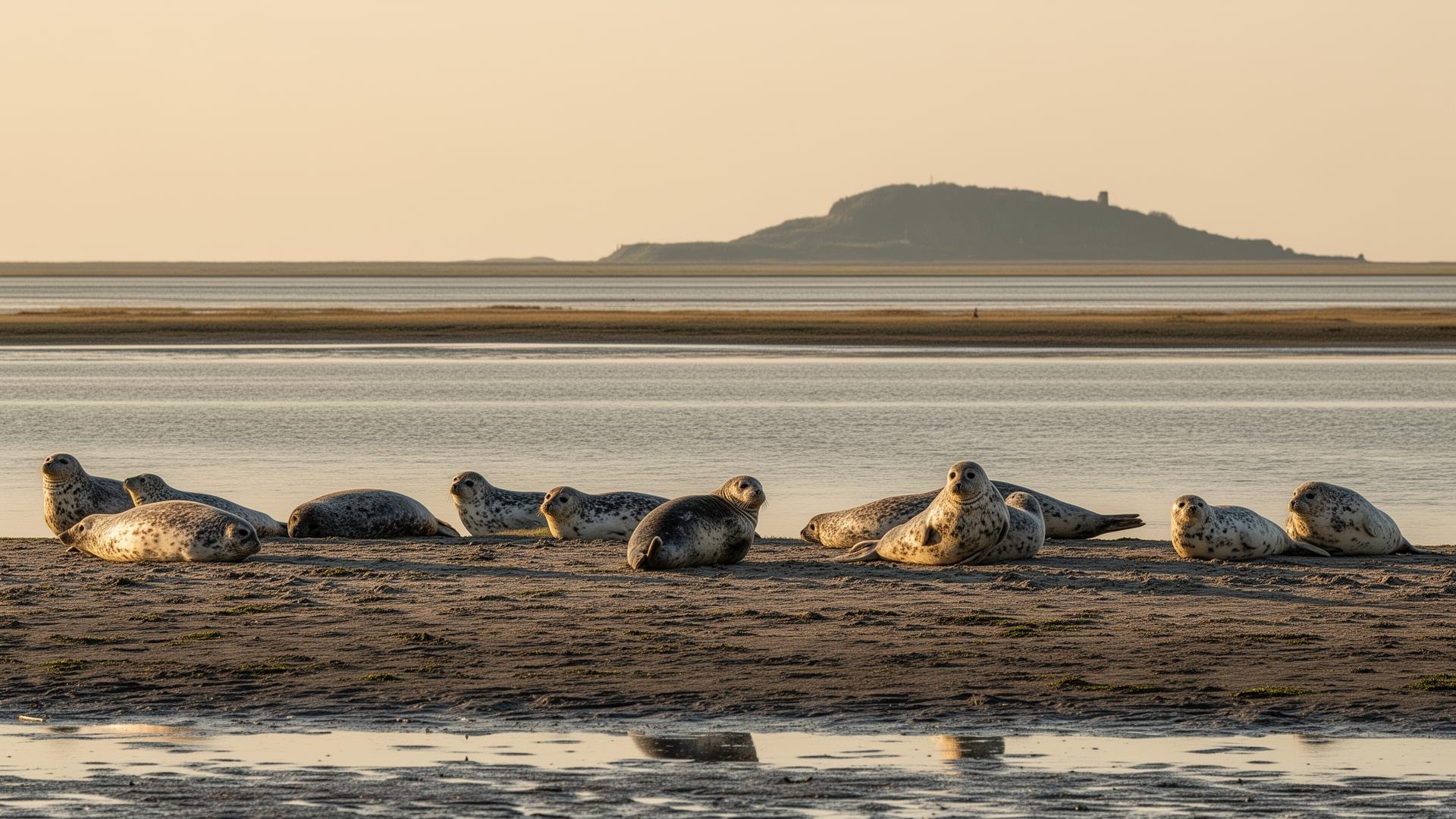
Nature · 5 min read
On a seal safari: where do you see them best?
Harbour seals, grey seals, and with a bit of luck an entire sandbank full of them. Where they rest and how the tide changes the view of the sandbanks.
History · 6 min read
Kroon's Polders: how a dune warden made the island wider
Jan Wouter Kroon wanted to reclaim agricultural land from the sea. That failed. What he created by accident is now one of the richest bird areas of the shallows.